
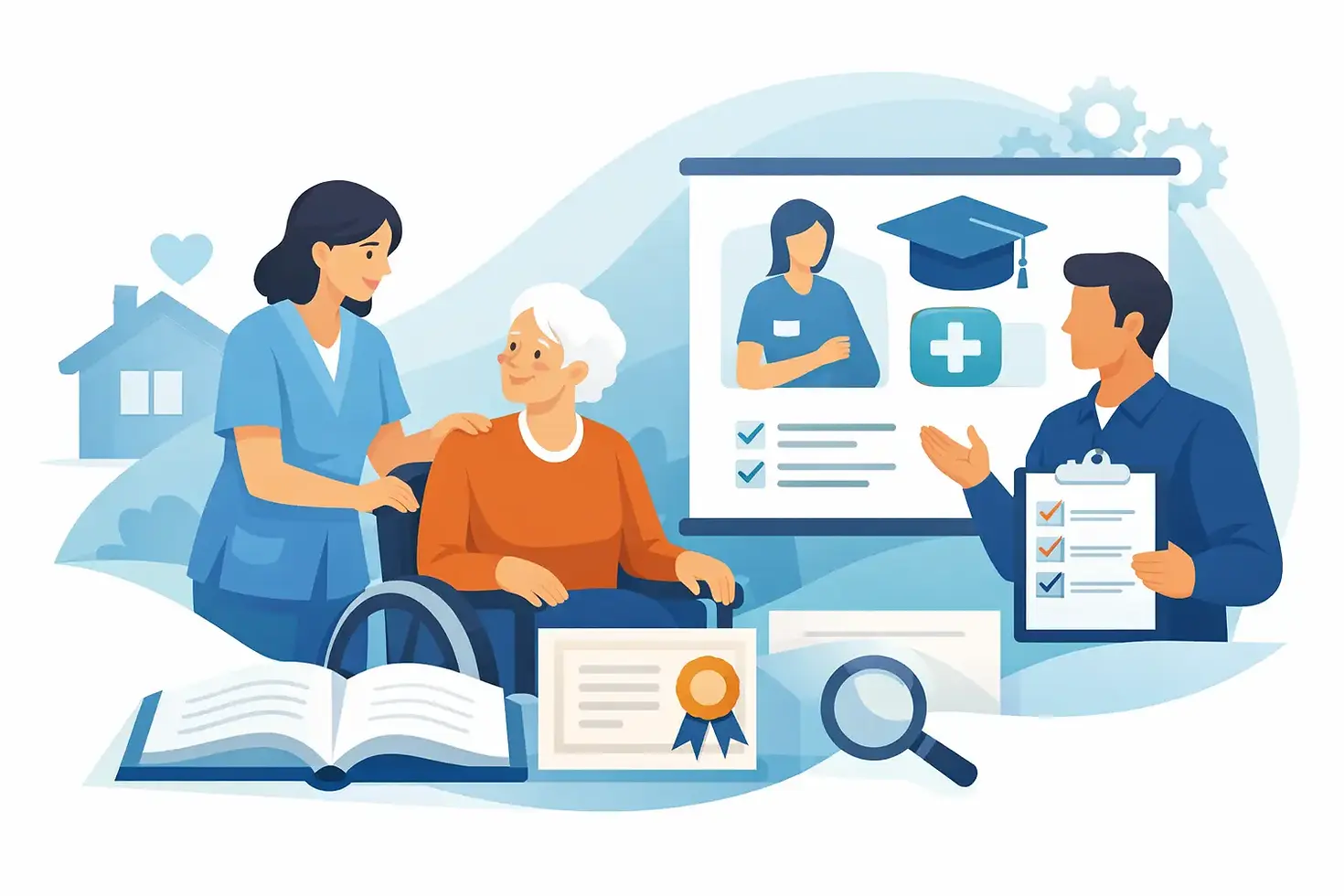
Caregiver Training Requirements Explained
- Harmony Care
- Jul 28
- 6 min read
A loved one may need help getting dressed, remembering a routine, preparing meals, or simply feeling safe at home. In those moments, caregiver training requirements explained clearly can ease a family’s uncertainty. The goal is not to turn a caring daughter, son, friend, or neighbor into a nurse. It is to make sure the person providing support has the preparation, screening, and guidance needed to protect comfort, dignity, and safety.
For Maine families considering paid family caregiving or professional in-home support, the exact requirements depend on the type of care, the funding program, and the person’s individual needs. Some roles require formal credentials. Others focus on practical training, background checks, and ongoing supervision. Knowing the difference helps families make confident decisions without assuming every caregiver must follow the same path.
What caregiver training is designed to do
Good caregiver training blends compassion with practical skills. A caregiver may already know a loved one’s favorite meals, daily rhythms, and the small signs that something is wrong. Training builds on that knowledge by showing them how to provide care safely, respect boundaries, document concerns, and respond appropriately when needs change.
For non-medical home care, training often focuses on activities of daily living. This can include bathing, dressing, mobility support, meal preparation, light housekeeping, companionship, and reminders related to medications. It also addresses privacy, infection prevention, fall prevention, emergency procedures, and communication with the family or care team.
Training is especially valuable because caring for someone at home can change quickly. A routine that feels manageable one month may need more structure after a hospitalization, a fall, a change in memory, or the start of hospice support. A prepared caregiver is more likely to recognize concerns early and ask for help before a small issue becomes a crisis.
Caregiver training requirements in Maine: what can vary
Maine caregiver training requirements are not one single checklist. They vary according to whether care is privately paid, provided through an agency, funded by MaineCare or another Medicaid-supported program, or connected to a clinical service such as home health or hospice.
A companion helping with errands and conversation will not need the same preparation as someone assisting a person who transfers from bed to wheelchair. Likewise, a caregiver offering non-medical medication reminders has a different role from a licensed professional administering medication or performing skilled nursing tasks.
For certain MaineCare-funded in-home services, a provider may require or arrange Personal Support Specialist training or certification based on the service and role. Programs may also set rules about who can be paid, what tasks are authorized, how care is documented, and whether a family member can serve as the worker. Eligibility and caregiver approval are determined case by case, so families should avoid relying on general advice from friends or social media.
The practical question is not just, “Does this caregiver have training?” It is, “Does this caregiver have the right preparation for this person’s approved care plan and daily needs?”
Non-medical support versus skilled care
Non-medical caregivers commonly help people remain comfortable and independent at home. Their work may include personal care, homemaking, companionship, meal support, transportation assistance when appropriate, and observing changes that should be shared with the family or supervisor.
Skilled medical care requires different credentials. Services such as nursing assessments, wound care, injections, and other clinical treatments are generally performed by licensed health professionals. Clear role boundaries protect everyone. A caregiver should never be asked to perform a task outside their training, authorization, or scope of responsibility.
This distinction does not make non-medical care less meaningful. Consistent help with daily routines can prevent exhaustion, reduce isolation, and help a person stay in the home they know and love.
The core requirements families should expect
Whether a caregiver is a family member entering a paid program or a professional joining an agency, families should expect a thoughtful process. Requirements may differ, but reliable care organizations commonly address the following areas:
Background checks and identity verification to support safety and trust in the home.
Orientation to the client’s care plan, routines, preferences, risks, and emergency contacts.
Training in personal care, safe mobility, infection control, fall prevention, and respectful communication.
CPR and first-aid preparation when required by the role, program, or employer.
Ongoing supervision, documentation, and support when a client’s needs change.
Training should be more than a folder of paperwork. It should give caregivers a chance to ask questions, practice safe techniques, and understand when to contact a supervisor, nurse, family member, or emergency services.
What paid family caregivers may need to complete
Many family caregivers have been providing support for months or years before they consider becoming paid. They already bring commitment and firsthand knowledge that cannot be taught in a classroom. Still, formalizing the role usually involves an application and approval process.
Depending on the program and care arrangement, a family caregiver may need to complete a background check, employment paperwork, orientation, required training, and timesheet or visit documentation. They may also need to follow an authorized service plan that describes the approved hours and types of assistance.
Some arrangements have rules about which relatives may be eligible to provide paid care. A spouse, legal guardian, or person living in the same home may be treated differently depending on the program. That is why families should ask direct questions before making financial plans around caregiver pay.
At Harmony Care, the focus is on helping caregivers understand the process while keeping the person receiving care at the center of every decision. When families are navigating Medicaid-supported caregiving, administrative help matters. Clear next steps can reduce delays and allow trusted support to begin sooner.
Training should reflect the person, not just the job title
A standard orientation is a starting point, not the finish line. The most respectful care is personalized. A caregiver supporting a person with dementia may need guidance on calm redirection, predictable routines, and communication that does not cause distress. Someone assisting a person with limited mobility may need hands-on instruction for transfers and fall prevention.
End-of-life support calls for another kind of preparation. Caregivers may help maintain comfort, provide companionship, support family routines, and communicate observations to the hospice team. They also need emotional support themselves. Being present for a loved one at the end of life is meaningful, but it can be deeply demanding.
Families should also share preferences that are easy to overlook: how a person likes their coffee, whether they prefer quiet in the morning, what modesty means to them during personal care, and which activities help them feel like themselves. These details are part of dignified care, not extras.
Questions to ask before care begins
Before choosing an agency, enrolling in a program, or asking a relative to take on a paid caregiver role, have a direct conversation about expectations. Ask what training is required for the specific service, who provides it, and whether it is completed before the first shift or continued over time.
It is also wise to ask who supervises the caregiver, how concerns are reported, what happens if a caregiver is sick, and how quickly care can be arranged after approval. Families managing urgent changes in health need dependable answers, not vague promises.
If medication support is part of the plan, clarify exactly what the caregiver can and cannot do. If mobility assistance is needed, ask how the caregiver is trained to help safely. If the person has dementia, diabetes, a history of falls, or hospice needs, make sure those risks are discussed before services start.
When additional training is a sign of good care
Some families worry that extra requirements will slow down urgently needed support. Sometimes there is a trade-off: careful screening and training can take time. But skipping essential preparation can place both the client and caregiver in an unfair position.
The right provider works to balance safety with timely placement. They should move the process forward efficiently while ensuring the caregiver understands the role and has the support to do it well. This is particularly important when a family caregiver is stepping into formal employment for the first time.
A caregiver does not need to know everything on day one. They do need to know how to provide approved support safely, respect the client’s choices, and reach out when something feels different. With the right training and a caring team behind them, families can turn the support they are already giving into a more sustainable path that protects both the caregiver and the person they love.


Comments