
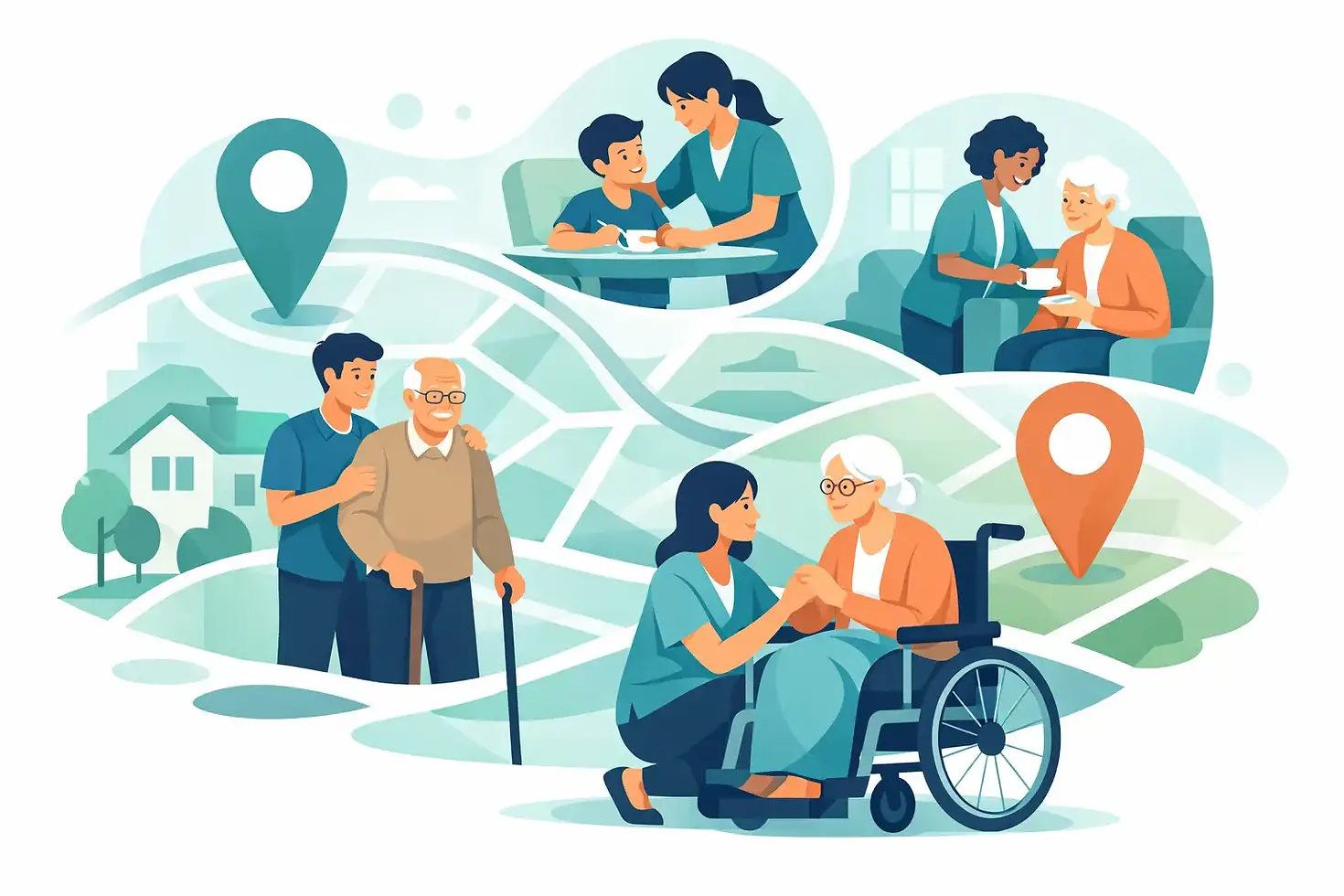
How to Find Trusted Caregivers Near Me
Updated: Jun 1
When a loved one suddenly needs help at home, the search usually starts the same way—late at night, on a phone screen, typing "trusted caregivers near me" and hoping the right answer appears fast. That search is never just about convenience. It is about safety, dignity, and the quiet fear of putting someone vulnerable in the wrong hands.
For families in Maine, this decision often comes with pressure. A parent may need help after a hospital stay. An adult with a disability may need more daily support. A spouse may be doing everything alone and starting to feel the weight of burnout. In those moments, what matters most is not just finding a caregiver. It is finding someone dependable, respectful, and prepared to care for your loved one in a way that feels personal and safe.
What "trusted caregivers near me" should really mean
Trust is not a vague feeling. In home care, it should be supported by clear standards. A trusted caregiver is someone who can offer compassion but also consistency. Families need to know who is coming into the home, what support they can provide, and whether they have been properly screened and trained.
That means looking beyond friendly language on a website or a kind voice on the phone. Trust should include background checks, professional oversight, insurance, and a clear care process. If a caregiver is helping with medication reminders, personal care, mobility, meal support, or hospice-related comfort, the family should know that the person has the right preparation for those responsibilities.
It also means emotional fit. A caregiver can be qualified on paper and still not be the right match. Some clients want quiet, steady support. Others need a more social companion who brings warmth and conversation into the day. The best care protects health and comfort while also respecting personality, routine, and independence.
Why families search for in-home care instead of facility care
Most people do not begin by wanting to move a loved one out of the home. They begin by wanting to make home work safely for longer. That is often the heart behind the search for trusted caregivers near me.
Home is familiar. It protects routines that matter, from sleeping in one’s own bed to having coffee in the same kitchen every morning. For seniors and adults with ongoing health needs, familiar surroundings can reduce stress and make daily life feel more manageable. For families, in-home care can also create a better balance. It allows support to come in where it is needed without giving up the comfort and identity tied to home.
That said, home care is not one-size-fits-all. Some people need a few hours of companionship and light housekeeping each week. Others need regular help with bathing, dressing, transfers, meal preparation, or end-of-life comfort. The right provider will not push a standard package. They will help you figure out what level of support makes sense now while also planning for what may change later.
What to ask before choosing a caregiver
Families often feel they need to make a fast decision, but a few direct questions can reveal a lot. Ask how caregivers are screened, whether they are bonded and insured, and what training they receive. If CPR certification matters to your family, ask that too. The goal is not to interrogate. It is to understand whether the agency treats care as both compassionate and accountable.
You should also ask how matching works. If a caregiver is unavailable, who steps in? If care needs change, how quickly can the schedule or service plan be adjusted? A good home care partner will be able to explain the process clearly, without vague promises.
Another important question is whether family members or friends can become paid caregivers. In many cases, this option changes everything. A loved one already providing care may be the most trusted person in the client’s life, but unpaid caregiving can create serious financial and emotional strain. If Medicaid-supported family caregiving is available, it can help keep care personal while giving the caregiver pay, structure, and support.
The difference between a caregiver and a supported care plan
One of the biggest misunderstandings in home care is the idea that the caregiver alone carries the full weight of the situation. In reality, better care usually comes from a supported system. That includes scheduling, oversight, documentation, training, and help when issues arise.
This matters because life at home changes quickly. A client may need more hands-on help after a fall. A family caregiver may need time off. A new diagnosis may shift the kind of support required each day. An agency that offers responsive coordination can make those changes feel manageable instead of chaotic.
For many families, peace of mind comes from knowing there is a structure behind the kindness. Compassion matters, but so do clear standards, communication, and fast action when something needs attention.
When a family member is the best caregiver
Sometimes the person you trust most is already in the home. A daughter helping her mother every day. A spouse managing meals, reminders, and appointments. A close friend stepping in because nobody else has. These situations are common, and they are often filled with love. They are also exhausting.
When family caregiving goes unsupported, burnout tends to creep in quietly. The caregiver stops sleeping well, misses work, delays their own medical needs, and carries constant stress about money. Over time, even deep love can start to feel overwhelmed by the demands of daily care.
That is why paid family caregiving can be so meaningful. It recognizes the real work being done and gives that care a safer framework. The caregiver can receive compensation, benefits, and guidance, while the client keeps support from someone familiar and trusted. For many Maine families, this is not just a financial option. It is a way to protect the relationship and make care more sustainable.
Harmony Care is one provider that understands this balance well, combining compassionate in-home support with a program that helps eligible family members and friends become paid caregivers through Medicaid-covered care.
Signs you have found the right fit
The right caregiver does not just complete tasks. They help the home feel calmer. Your loved one seems more comfortable. Communication becomes easier. There is less scrambling, less guesswork, and less fear about who will show up.
You may notice small but meaningful changes. Meals are more regular. The home feels safer and tidier. Medication routines are better supported. A client who felt isolated begins to engage more. A family caregiver gets a needed break and returns with more patience and energy. Good care often shows up in these everyday improvements.
It is also a good sign when the provider respects dignity at every level. That includes how they speak to clients, how they involve family, and how they adapt care without making the person feel reduced to a list of needs. Respect is not extra. It is part of what makes care trustworthy.
What fast placement should look like
Many families need help quickly. That urgency is real, especially after discharge from a hospital or during a health decline at home. Fast placement is valuable, but it should not mean rushed matching or missing safety steps.
A strong care provider can move quickly while still screening caregivers, understanding the client’s needs, and setting expectations clearly. Speed matters most when it is paired with readiness. Families should not have to choose between immediate support and responsible care standards.
If a provider can explain how they place caregivers, what services can begin first, and how they build the care plan from there, that is a positive sign. The process should feel calm and guided, even when the situation is urgent.
Choosing care with confidence
Searching for trusted caregivers near me can feel overwhelming because the stakes are personal. You are not buying a service in the usual sense. You are deciding who will share your home, support your routine, and care for someone you love.
That is why the best choice is rarely the flashiest one. It is the provider that combines warmth with standards, flexibility with structure, and fast help with real accountability. Whether you need companion care, homemaking support, medication reminders, help with daily living, or hospice comfort, the goal is the same—keeping care safe, respectful, and centered on the person receiving it.
If you are in that search right now, trust the practical questions as much as the emotional ones. Look for training, screening, communication, and a care model that supports both clients and caregivers. When those pieces come together, home can remain what it should be—a place of comfort, dignity, and steady support.
The Importance of Ongoing Communication
In any caregiving relationship, ongoing communication is crucial. It ensures that everyone involved is on the same page. Regular check-ins with the caregiver can help address any concerns or adjustments needed in the care plan. This open dialogue fosters trust and allows for a more personalized approach to care.
Families should feel empowered to voice their needs and preferences. Caregivers should be receptive and adaptable. This partnership can enhance the quality of care and strengthen relationships.
Embracing the Journey Together
Choosing a caregiver is not just a decision; it is a journey. It involves understanding the needs of your loved one and finding the right match. This process may take time, but it is worth the effort.
Embrace the journey together with your loved one. Discuss their preferences and comfort levels. Involve them in the decision-making process as much as possible. This inclusion can make a significant difference in their overall well-being.
The Role of Community Support
Don’t forget about the power of community support. Local resources, support groups, and online forums can provide valuable information and encouragement. Connecting with others who are facing similar challenges can be incredibly reassuring.
These communities can offer insights, share experiences, and provide recommendations for caregivers. They can also be a source of emotional support, reminding you that you are not alone in this journey.
Conclusion: A Path to Dignity and Joy
In conclusion, the search for trusted caregivers near me is a vital step toward ensuring the well-being of your loved one. It is about finding someone who respects their dignity and enhances their quality of life.
With the right support, families can navigate this journey with confidence. Home care can be a beautiful solution that allows individuals to live with dignity and joy. Remember, you are not just choosing a caregiver; you are choosing a partner in care.


Comments