
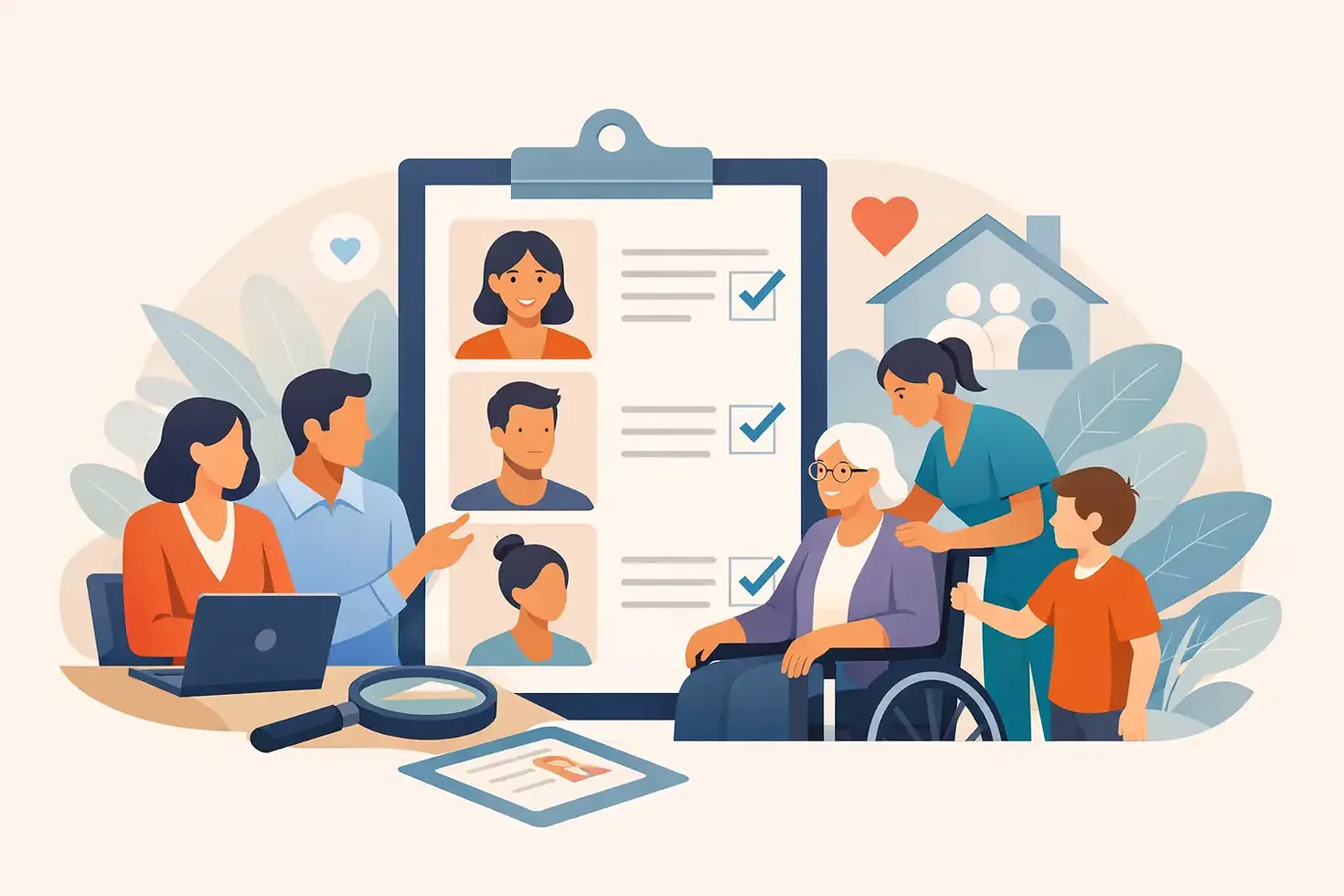
How to Hire a Family Caregiver
- Harmony Care
- May 15
- 6 min read
When care starts falling on one daughter, one spouse, or one close friend, the strain shows up fast. Meals, bathing, medication reminders, laundry, appointments, and late-night worry can turn love into exhaustion. For many Maine families, the question is not whether they need help. It is whether they can hire a family caregiver so care stays personal, trusted, and sustainable at home.
The answer is often yes, but the right path depends on eligibility, funding, and how much structure your family needs. Hiring someone you already trust can protect dignity for the person receiving care while also giving the caregiver pay, training, and support. It can be a practical solution, but it works best when it is set up carefully.
Why families choose to hire a family caregiver
There is a reason so many people feel calmer when care comes from someone familiar. A parent with memory loss may respond better to a known voice. An adult with a disability may feel more comfortable with a sibling or trusted friend. Someone facing serious illness may simply want to stay home with people they know.
That emotional comfort matters, but so does consistency. Family caregivers already understand routines, food preferences, mobility limits, and the small details that make daily life feel manageable. Instead of teaching a new person everything from the start, families can build on care that is already happening.
There is also the financial reality. Many relatives are providing hours of support every week without pay, while cutting back at work or leaving jobs entirely. In some cases, Medicaid-supported programs can allow a qualified person to become a paid caregiver. That shift can reduce stress on the whole household and make long-term care more stable.
Still, hiring a family member is not automatically the best choice in every situation. If relationships are already strained, if care needs are highly complex, or if the caregiver cannot reliably manage the workload, outside support may be a better fit. Sometimes the best arrangement is a blended one, with family providing part of the care and trained staff filling the gaps.
Can you hire a family caregiver in Maine?
In Maine, some individuals may be able to receive care from a family member or friend through Medicaid-supported programs, depending on their eligibility and care needs. This is where many families get confused. They assume paying a loved one informally is the same as formally hiring them. It is not.
A formal arrangement usually requires approval through the right program, along with agency oversight, documentation, and compliance steps. That structure is not there to make life harder. It helps protect everyone involved. The care recipient receives services through an organized plan, and the caregiver may receive screening, training, payroll support, and other employment benefits.
This is especially important when the family is already overwhelmed. Trying to manage care schedules, documentation, hiring rules, and Medicaid requirements alone can create more pressure. Working with a provider that understands the process can make it much easier to move from unpaid help to paid, supported caregiving.
What to consider before you hire a family caregiver
The first question is not who wants the job. It is what kind of care is actually needed. Some people need help with light housekeeping, meal preparation, companionship, and reminders. Others need hands-on support with bathing, dressing, transfers, toileting, or routines tied to health conditions. The level of care affects whether a family arrangement is realistic and what support should be in place.
It also helps to look honestly at the caregiver's capacity. A loving son may be devoted but unavailable during work hours. A spouse may want to do everything but already be burned out. A family friend may be dependable and kind, yet uncomfortable with personal care. Good intentions matter, but reliability matters more.
You should also think about boundaries. When a relative becomes a paid caregiver, family roles can shift. Expectations around schedules, tasks, time off, and accountability need to be clear. Without that clarity, resentment can build quickly. The strongest caregiving arrangements balance compassion with structure.
How the process usually works
If you want to hire a family caregiver, the process usually starts with an assessment of the person's care needs and whether they may qualify for a Medicaid-supported option. That step helps determine what services are appropriate and whether a family member or friend may be able to serve in that role.
From there, the proposed caregiver may need to complete screening requirements such as background checks and employment paperwork. Depending on the provider, training and certifications may also be part of the onboarding process. These steps build trust and help make sure care is safe, respectful, and consistent.
Once approved, the caregiver is not left to figure everything out alone. In a well-run program, there is support with scheduling, payroll, compliance, and care planning. That matters more than many families expect. It turns caregiving from an informal promise into a supported service model that protects both the client and the caregiver.
For families in Maine who need help quickly, speed also matters. Waiting weeks for answers can leave a vulnerable person without enough support. A provider with a clear intake process and fast placement can reduce that dangerous gap.
The benefits of formal support for family caregivers
A paid family caregiver arrangement can do more than provide income. It can bring relief, legitimacy, and stability to a role that often feels invisible. When caregivers are employed through a structured program, they may have access to weekly pay, overtime pay, paid time off, and health benefits, depending on the arrangement. That support can make it easier for them to keep providing care without sacrificing their own well-being.
The person receiving care benefits too. They remain at home, surrounded by familiarity, while still receiving organized support. Care is no longer based only on what a relative can manage alone. It is reinforced by systems for documentation, training, and oversight.
This is one of the reasons many families turn to providers like Harmony Care. The goal is not just to place a caregiver. It is to create a care arrangement that feels compassionate and dependable from day one.
When hiring a family caregiver may not be enough
There are times when family care should be part of the plan, not the entire plan. If someone has advanced mobility needs, frequent confusion, or round-the-clock supervision requirements, one caregiver can rarely do it all safely. Even the most committed relative needs rest.
In those cases, adding companion care, homemaking help, medication-related support, or hospice support can make the home environment safer and less stressful. It can also preserve the relationship. A daughter may want to spend meaningful time with her father, not feel that every visit is only about tasks.
This is where flexibility matters. Good home care is not one-size-fits-all. Sometimes the right answer is a family caregiver with backup coverage. Sometimes it is a mix of relatives and agency staff. And sometimes the kindest decision is to recognize that a loved one cannot carry the load alone.
Questions to ask before moving forward
Before making a decision, ask a few practical questions. Is the person receiving care likely to qualify for a Medicaid-supported caregiving option? Can the family caregiver commit to the schedule consistently? What training, screening, and oversight will be provided? How quickly can services begin? What happens if the caregiver gets sick, needs time off, or can no longer continue?
The answers will tell you a lot. A trustworthy provider will explain the process clearly, speak honestly about eligibility, and help you understand both the emotional and practical side of care. Families deserve that clarity, especially when the stakes are high.
Hire a family caregiver with dignity and structure
To hire a family caregiver is not simply to put a relative on payroll. It is to recognize that care at home works best when love is supported by training, accountability, and real help. The familiar face matters. So do safety, consistency, and a plan that can hold up over time.
If your family is already providing care, you may be closer to a workable solution than you think. With the right support, home can remain the place where comfort, respect, and daily life stay intact - and where the caregiver is supported too.
The best next step is often the simplest one: ask for guidance before exhaustion makes the decision for you.


Comments