
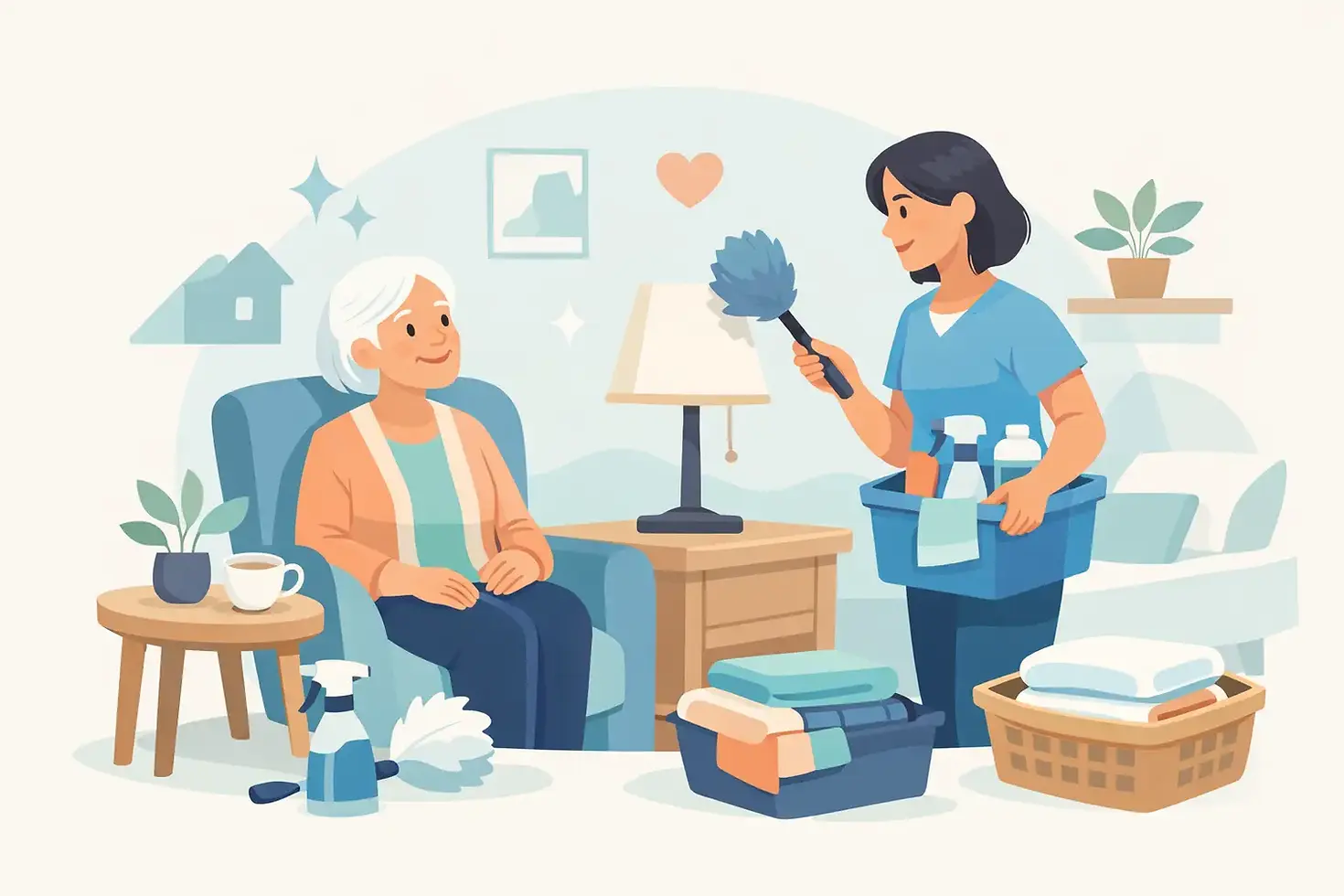
Light Housekeeping for Seniors at Home
- Harmony Care
- Jun 6
- 5 min read
A sink full of dishes, laundry waiting in a basket, dust gathering on shelves - these small things can quietly turn a familiar home into a source of stress. Light housekeeping for seniors is not about making a house look perfect. It is about helping daily life feel safer, calmer, and easier to manage.
For many older adults, staying at home brings comfort, independence, and a sense of dignity that matters deeply. But even a well-loved home can become harder to keep up with after surgery, during illness, or simply with age. Tasks that once felt routine can take more energy, create fall risks, or become overwhelming when paired with medications, appointments, and changing health needs.
What light housekeeping for seniors really includes
Light housekeeping for seniors usually covers the everyday household tasks that support a clean and livable space. That often means washing dishes, wiping kitchen and bathroom surfaces, taking out trash, light dusting, sweeping, vacuuming, changing bed linens, and doing laundry. In many homes, it also includes simple organizing that helps reduce clutter and improve safety.
This type of support is different from deep cleaning. It does not usually involve moving heavy furniture, scrubbing entire homes from top to bottom, climbing ladders, or handling projects that require specialized equipment. The goal is maintenance, not major restoration.
That distinction matters because families sometimes wait too long to ask for help. They may think support is only needed when things become unmanageable. In reality, steady assistance with small tasks can prevent larger problems from building up in the first place.
Why a clean home matters beyond appearance
Cleanliness is often discussed as a comfort issue, but for seniors it is closely tied to safety and well-being. A clear walkway can lower the risk of trips and falls. Fresh linens and regular laundry can improve comfort and hygiene. A tidier kitchen can make meal preparation easier and reduce confusion or frustration.
There is also an emotional side to housekeeping that families should not overlook. When a senior can no longer keep up with the home the way they once did, embarrassment often follows. Some people stop inviting loved ones over. Others try to do too much on their own and end up exhausted or injured.
Practical help can restore a sense of ease. It allows the person receiving care to focus energy on daily living, rest, recovery, or meaningful time with family instead of struggling through chores that have become physically taxing.
When light housekeeping becomes especially helpful
Some families reach out after a hospitalization or fall. Others notice a gradual change, like unopened mail piling up, laundry being left undone, or rooms becoming harder to navigate safely. There is no single moment that applies to everyone.
Light housekeeping can be especially helpful for seniors living with arthritis, reduced mobility, fatigue, memory loss, chronic illness, or balance concerns. It can also make a real difference for someone who is grieving, living alone, or adjusting to a new diagnosis.
Sometimes the need is temporary. A person recovering from surgery may only need support for a few weeks. In other cases, housekeeping becomes part of a larger in-home care plan that includes companionship, meal support, medication reminders, or hands-on daily assistance. What matters most is matching the support to the person, not forcing the person to adapt to a rigid schedule.
Light housekeeping for seniors and family caregiver relief
Family caregivers often carry more than people realize. They may be helping with meals, transportation, medications, emotional support, and medical appointments while also working or raising children. Housekeeping tasks can feel small on paper, yet they take time, physical effort, and steady attention.
That is why light housekeeping for seniors is also support for the whole household. When someone trustworthy can help keep the home in order, family caregivers have more room to focus on connection rather than constant task management. It can reduce tension, lower burnout, and help care feel more sustainable over time.
For families already providing care, there is another important consideration. In some cases, a family member or friend may be able to become a paid caregiver through Medicaid-supported services. This can create more stability for the caregiver while making sure the senior receives support from someone familiar and trusted. For many families, that combination of comfort and financial relief changes what is possible.
What to look for in a housekeeping support provider
Trust matters just as much as task completion. You are not simply hiring someone to wipe counters or fold laundry. You are inviting someone into a private space where routines, health needs, and vulnerable moments are part of daily life.
A dependable provider should be clear about what services are included and what falls outside the scope of light housekeeping. Families should also ask about caregiver screening, training, background checks, insurance, and whether staff are prepared to notice changes that may affect a senior's safety or comfort.
Consistency is important too. Many seniors do better when they know who is coming into the home and what to expect. Familiarity builds trust. It also helps caregivers notice subtle changes, like increased fatigue, confusion, or a home environment that suddenly looks different than usual.
The best support feels respectful, never intrusive. Good caregivers understand that housekeeping in this setting is part of preserving dignity, not taking control away.
How housekeeping support fits into care at home
In-home care works best when services complement each other. A clean and organized home can make companion visits more enjoyable, meal preparation more practical, and mobility through the house safer. It can also support end-of-life comfort, where calm surroundings often make a meaningful difference for both the individual and the family.
That is why many families do not look for housekeeping as a standalone task forever. They look for a care partner who can understand the full picture and adjust as needs change. Someone may begin with help around the house, then later need more daily support. Another person may already receive personal care and simply need household tasks handled with the same level of compassion and professionalism.
Harmony Care approaches home support with that broader understanding. Families are often under pressure when they reach out, and they need help that is both heartfelt and structured. Fast placement, screened caregivers, and clear service coordination can ease a difficult moment and make care at home feel more manageable.
Questions families should ask before getting started
It helps to begin with the senior's real daily challenges rather than a generic checklist. Is laundry becoming physically difficult? Is clutter creating safety concerns? Is the kitchen no longer easy to use? These details help shape the right level of support.
Families should also talk openly about comfort and preferences. Some seniors welcome help quickly. Others need time, reassurance, and a sense of control over how things are done. A respectful start can make acceptance much easier.
Finally, think about what would bring the most relief right now. Sometimes that means one or two regular housekeeping visits each week. Sometimes it means combining housekeeping with companionship or broader in-home support. There is no universal answer, and that is okay. Good care planning leaves room for flexibility.
A cleaner home can protect dignity
There is something deeply personal about being able to rest in a clean bed, find what you need in your own kitchen, and move through your home without added stress. These are not small comforts. They shape how a person feels each day.
Light housekeeping is often described as basic support, but for seniors it can mean much more. It can protect independence, reduce hazards, relieve family pressure, and help home remain the place where care feels most familiar and respectful.
If daily chores are starting to take more than they should, asking for help is not giving up. It is a practical step toward more comfort, more safety, and more peace at home.


Comments