
Senior Home Independence Tips: Promoting Independence at Home for Seniors
Living at home as we age is a goal many cherish. It means comfort, familiarity, and control over daily life. But maintaining independence at home can sometimes feel challenging. I want to share practical, warm, and encouraging ideas to help seniors live confidently and safely in their own space. These senior home independence tips are designed to empower and support, making everyday life easier and more joyful.
Creating a Safe and Comfortable Environment
Safety is the foundation of independence. When the home feels secure, seniors can move freely and confidently. Start by assessing the living space with a careful eye. Look for potential hazards like loose rugs, poor lighting, or cluttered walkways. Removing these obstacles reduces the risk of falls, which are a common concern.
Consider installing grab bars in bathrooms and near stairs. These simple additions provide extra support and peace of mind. Non-slip mats in the shower and kitchen can also prevent slips. Bright, even lighting throughout the home helps with visibility, especially in hallways and staircases.
Furniture arrangement matters too. Keep pathways clear and ensure chairs and beds are at a comfortable height for sitting and standing. Small changes like these make a big difference in daily comfort and safety.

Senior Home Independence Tips for Daily Living
Maintaining independence means managing daily tasks with ease. I’ve found that organizing and simplifying routines can help seniors feel more in control. Here are some tips that work well:
Use assistive devices: Tools like jar openers, reachers, and easy-grip utensils can make cooking and eating easier.
Label cabinets and drawers: Clear labels help find items quickly without frustration.
Set up a medication station: A dedicated spot with a pill organizer and reminders ensures medications are taken correctly.
Plan meals ahead: Preparing meals in advance or using simple recipes reduces stress and saves energy.
Encourage regular exercise: Gentle activities like walking or chair yoga improve strength and balance.
These small adjustments support independence and boost confidence in managing everyday life.
Encouraging Social Connections and Mental Engagement
Staying connected with others is vital for emotional well-being and independence. Social isolation can lead to feelings of loneliness and depression, which affect overall health. Encourage regular visits with family and friends, or participation in community activities.
Technology can also be a wonderful bridge. Video calls, social media, and online groups offer ways to stay in touch and engaged. Simple devices with large buttons and clear screens are ideal for seniors new to technology.
Mental stimulation is equally important. Puzzles, reading, and hobbies like gardening or painting keep the mind active. These activities provide joy and a sense of accomplishment.

Supporting Independence with Professional Help
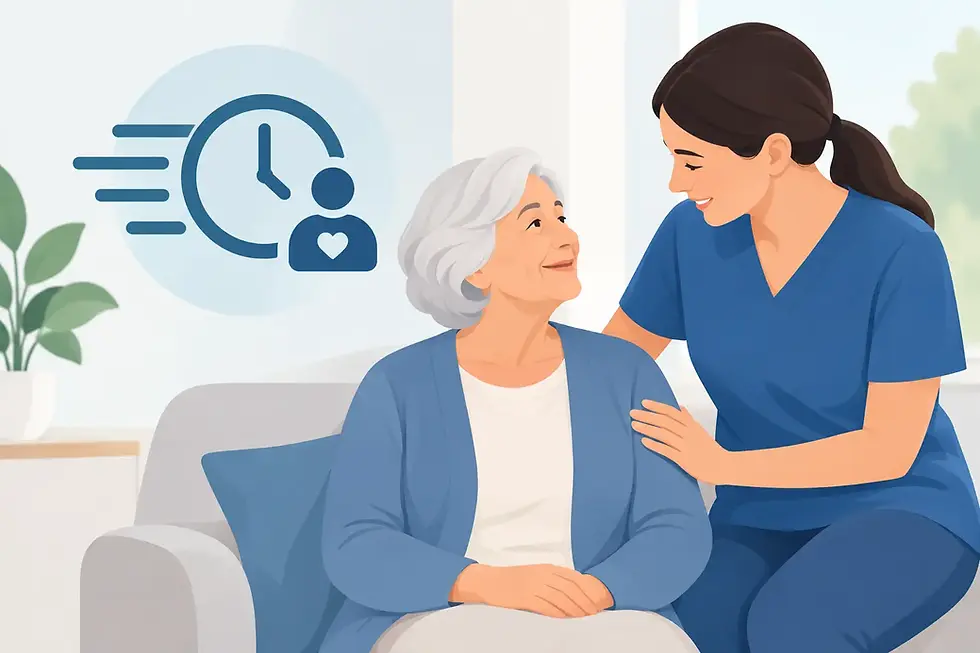
Sometimes, a little extra help makes all the difference. Home care services can provide personalized support while respecting a senior’s desire to remain independent. Whether it’s assistance with housekeeping, meal preparation, or personal care, professional caregivers offer compassionate help tailored to individual needs.
It’s important to choose care that empowers rather than takes over. The goal is to support independence, not replace it. Caregivers can also help families navigate options like Medicaid, which may provide financial assistance for home care.
Open communication between seniors, families, and caregivers ensures everyone feels comfortable and respected. This teamwork creates a nurturing environment where independence thrives.
Practical Tips for Staying Independent Longer
Here are some actionable steps to keep independence strong:
Regular health check-ups: Staying on top of health issues prevents complications.
Home modifications: Consider ramps, stairlifts, or wider doorways if mobility changes.
Emergency preparedness: Keep a phone nearby and consider medical alert systems.
Nutrition and hydration: Balanced meals and plenty of fluids support energy and health.
Encourage decision-making: Let seniors make choices about their daily routines and care.
Each step reinforces confidence and control over life at home.
Embracing Independence with Confidence and Joy
Promoting independence at home is about more than safety and support. It’s about honoring a senior’s dignity and unique lifestyle. When we focus on what seniors can do, rather than what they cannot, we open doors to happiness and fulfillment.
Every small success builds strength and pride. With the right environment, tools, and support, living independently at home is not just possible - it’s a beautiful reality. I hope these senior home independence tips inspire you to create a space where independence flourishes with warmth and care.
For more information on how to support independence at home, visit independence at home.


Comments