
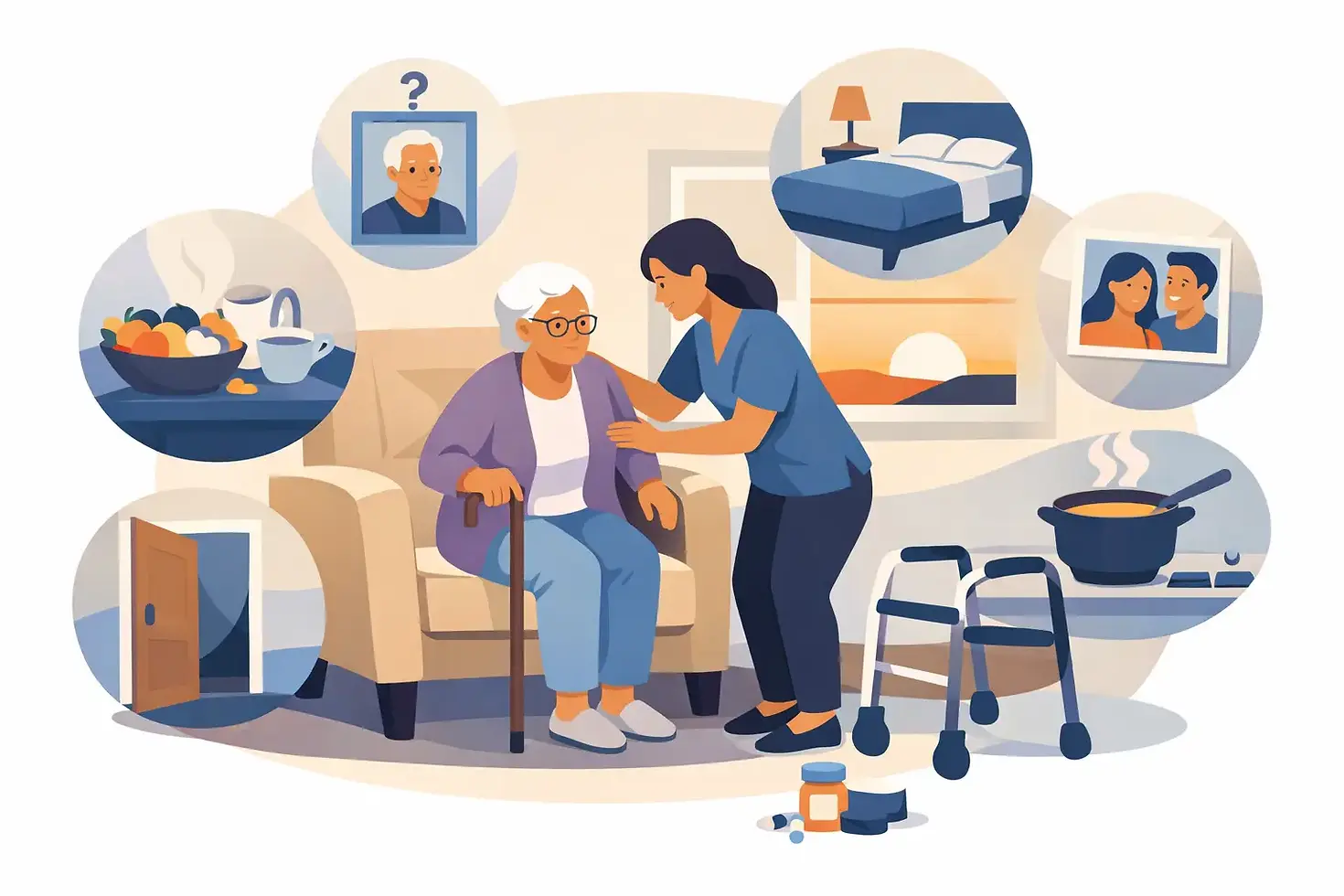
Top Signs a Senior Needs Help at Home
You may notice it in a small moment first - unopened mail piling up on the table, the same clothes worn several days in a row, or a parent who once managed everything now seeming tired, forgetful, or unsteady. The top signs a senior needs help are not always dramatic. More often, they show up quietly, through changes in routine, hygiene, mood, or safety at home.
For many families, this stage is emotional. You want to respect your loved one’s independence, but you also do not want to ignore warning signs that could lead to a fall, missed medication, malnutrition, or isolation. Paying attention early can make it possible for a senior to stay safely at home with the right support, rather than waiting for a crisis.
Why these changes are easy to miss
Aging does not look the same for every person. Some older adults need help because of memory loss. Others are physically strong enough to move around but struggle with cooking, bathing, or keeping up with the home. In some cases, a senior may hide difficulties out of pride, fear, or a desire not to burden family.
That is why it helps to look at patterns instead of one bad day. Everyone forgets an appointment sometimes. Everyone gets tired. But when missed meals, confusion, unsafe mobility, or poor housekeeping become more common, it may be time to look more closely.
Top signs a senior needs help with daily living
One of the clearest signs is a change in personal care. If your loved one is bathing less often, neglecting oral care, wearing stained clothing, or appearing unkempt in ways that are unusual for them, daily tasks may be becoming harder. Sometimes the issue is physical pain or reduced balance. Sometimes it is memory loss or depression. Either way, hygiene changes often signal that routine support is needed.
Eating habits can also tell you a great deal. A refrigerator with spoiled food, little food in the house, repeated takeout containers, or noticeable weight loss may point to trouble with shopping, cooking, or remembering to eat. Dehydration can be another quiet warning sign, especially if a senior seems weak, dizzy, or more confused than usual.
Household upkeep is another important clue. If laundry is not being done, dishes are left stacked for days, trash is accumulating, or the home feels unusually cluttered, these may be signs your loved one is struggling to keep up. This does not always mean they need around-the-clock care. It may mean they need help with homemaking, meal preparation, and a more manageable daily routine.
Changes in mobility and physical safety
Many families first become concerned after a fall, but the warning signs often appear earlier. Watch for bruises that cannot be explained, difficulty getting up from a chair, hesitancy on stairs, holding onto walls while walking, or a slower, less steady gait. These changes can increase the risk of injury quickly.
You may also notice your loved one avoiding parts of the home. They might stop using the shower because stepping in feels unsafe, avoid carrying laundry downstairs, or sleep in a recliner because getting in and out of bed is difficult. These are not just preferences. They can be adaptations to physical challenges that deserve attention.
Vision and hearing changes also affect safety. A senior who cannot hear the phone, misreads medication labels, or struggles to see food expiration dates may be at greater risk even if they seem mostly independent otherwise. In-home support can help reduce those risks while preserving comfort and dignity.
Memory problems that go beyond normal aging
Forgetfulness can happen at any age, but repeated memory issues should not be brushed aside. Missing medications, forgetting recent conversations, leaving the stove on, getting lost on a familiar route, or missing bills repeatedly may suggest that more support is needed.
There is a difference between occasional forgetfulness and a pattern that affects safety. If a senior forgets where they placed their glasses, that may be ordinary. If they forget they already took medication and take it again, or forget to eat for an entire day, the stakes are much higher.
Families sometimes hesitate here because they do not want to overreact. That is understandable. Still, memory changes are one of the top signs a senior needs help, especially when they interfere with health routines, appointments, or everyday decision-making.
Emotional and social changes matter too
Not every sign is physical. A senior who withdraws from friends, loses interest in hobbies, stops answering calls, or seems more anxious, sad, or irritable may be struggling in ways that are less visible. Loneliness can affect appetite, sleep, motivation, and even physical health.
Grief, chronic illness, reduced mobility, and loss of independence can all contribute to emotional changes. Sometimes a senior is not refusing help because they are managing well. They may simply feel embarrassed, overwhelmed, or depressed.
Companionship and consistent support can make a meaningful difference. When someone has help with conversation, routines, meals, and small daily tasks, the home can begin to feel safe and manageable again.
Medication mistakes and missed health routines
Medication-related problems are common and serious. If pill bottles are disorganized, prescriptions are going unfilled, dosages are being skipped, or medications are taken at the wrong time, your loved one may need support with reminders and routine oversight.
The same goes for other health-related habits. Missing doctor visits, not checking blood sugar, forgetting to use oxygen properly, or not following post-hospital instructions can all point to a growing need for assistance. These issues do not always mean a senior cannot live at home. Often, they mean the home routine needs structure and reliable help.
This is especially true after a hospital stay or a new diagnosis. Recovery periods often reveal limitations that were easier to overlook before. Extra support during that time can prevent setbacks and reduce family stress.
Financial confusion and unusual decisions
When a senior who has always been organized starts missing bill payments, sending duplicate checks, giving money away unexpectedly, or struggling to understand simple paperwork, it is worth paying attention. Financial confusion can be tied to memory issues, cognitive decline, vision changes, or simple overwhelm.
Scams are another concern. Older adults who are isolated or confused may be more vulnerable to phone, email, or door-to-door fraud. If you notice unusual purchases, unpaid utilities, or growing confusion around money, practical help may be needed sooner rather than later.
When family caregiving is no longer enough alone
Sometimes the clearest sign is not only what is happening with the senior, but what is happening with the family caregiver. If you are exhausted, missing work, losing sleep, or constantly worried that something will happen when you are not there, the current arrangement may not be sustainable.
Loving someone deeply does not remove the practical demands of caregiving. Help with bathing, mobility, meals, housekeeping, companionship, or end-of-life comfort can protect both the senior and the person providing care. In some cases, a family member or trusted friend may even be able to become a paid caregiver through a Medicaid-supported program, which can ease financial pressure while keeping care familiar and personal.
What to do if you recognize these signs
Start with a calm conversation, not a confrontation. Ask what feels harder lately. Listen for what your loved one says and what they avoid saying. Many seniors are more open to help when it is framed as support for staying at home safely, rather than losing independence.
From there, think in terms of the actual tasks that are becoming difficult. It may be meal preparation, bathing, medication reminders, transportation, or companionship. The right care plan does not have to do everything at once. It should meet real needs with respect and flexibility.
If you are unsure, trust what you are seeing. Families often wait for certainty when what they really have are several small signs pointing in the same direction. Acting early can prevent emergencies and make the transition to care feel gentler for everyone involved.
At Harmony Care, families often come to this decision after months of trying to manage alone. What brings relief is realizing that accepting help does not mean giving up. It can mean preserving comfort, protecting dignity, and making home feel like home for longer.
If something feels different, it is worth paying attention. Support offered at the right time can bring peace of mind to your loved one and to everyone who cares for them.


Comments