
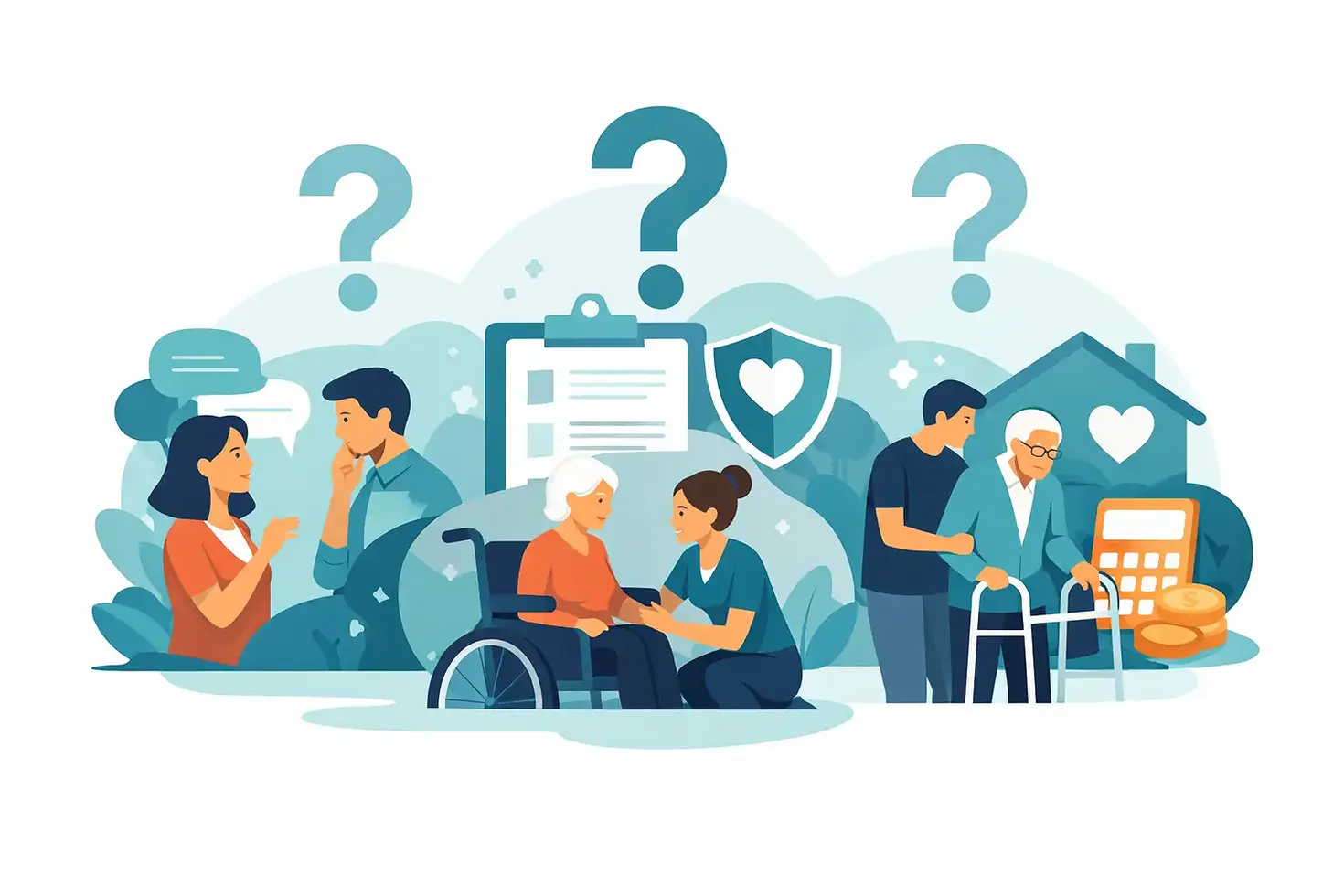
Top Questions About Paid Family Caregiving
When families start asking questions about paid family caregiving, it usually means something real is happening at home. A parent needs help bathing safely. A spouse can no longer manage medication reminders alone. An adult child is missing work to provide care and wondering how long that can continue. These are not small concerns. They affect dignity, comfort, finances, and peace of mind.
Paid family caregiving can offer a path forward, but the details matter. Every family wants the same basic reassurance: Can our loved one stay at home, and can the person already providing care be recognized and supported for that work? The answer is often yes, but eligibility, pay, services, and paperwork can vary based on the person’s needs and the program involved.
The most common questions about paid family caregiving
One of the first questions families ask is whether a family member can really be paid to care for someone they love. In many cases, yes. Medicaid-supported caregiving programs may allow a qualified family member or friend to become a paid caregiver for an eligible person who needs help at home. This can be especially meaningful when the care recipient already feels safest with someone familiar.
Another common question is who counts as a family caregiver. That depends on the program and the state rules, but often it may include an adult child, sibling, relative, or even a trusted friend. In some cases, certain family relationships may be restricted. That is why it helps to talk through the situation with a home care provider that understands the local process and can explain what applies in Maine.
Families also want to know whether this is only for seniors. It is not. Paid family caregiving may be available for older adults, adults with disabilities, and people living with chronic or serious health conditions who qualify for in-home support. The need is not defined only by age. It is defined by how much help a person needs with daily life and whether a home-based care arrangement is appropriate.
How eligibility usually works
The biggest source of confusion is often Medicaid eligibility. Many families assume that if they are struggling with care at home, they automatically qualify. Sometimes they do, but not always. Paid family caregiving is usually tied to Medicaid and to a care assessment that looks at the individual’s health, function, and need for support.
That assessment may consider whether the person needs help with bathing, dressing, toileting, meal preparation, mobility, medication-related routines, housekeeping, or supervision for safety. It may also look at whether staying at home is a safe and reasonable alternative to facility-based care.
Financial eligibility can be part of the process too. Medicaid programs generally have income and asset rules. This is where families often feel overwhelmed, because they are trying to manage care needs while also sorting through forms, records, and deadlines. A provider that handles onboarding, compliance, and administrative guidance can make this feel much less daunting.
Even when someone appears to be a strong fit, approval is not always instant. It depends on documentation, assessment timing, and program availability. That does not mean the situation is hopeless. It simply means families should begin the process as early as possible rather than waiting until burnout or a crisis forces a rushed decision.
What does a paid family caregiver actually do?
Families sometimes worry that becoming a paid caregiver will feel cold or overly clinical. In practice, the goal is often the opposite. It creates a structured way to support the care that is already happening in a familiar, trusted relationship.
A paid family caregiver may help with daily living tasks such as personal care, meal support, mobility assistance, companionship, light housekeeping, and medication reminders. The exact duties depend on the care plan and what the person is approved to receive. Non-medical home care is designed to protect comfort and safety while preserving as much independence as possible.
There are boundaries, though. Not every task can be assigned, and not every household activity counts as paid caregiving time. Good agencies make this clear from the beginning so caregivers know what is expected, what is documented, and what falls outside the authorized plan of care.
Questions about paid family caregiving and pay
Pay is one of the most sensitive subjects, and understandably so. Many family caregivers have already been doing demanding work without compensation, often while reducing their own hours or leaving a job behind. They want to know what they can realistically expect.
Rates can vary based on the program, the number of approved care hours, and agency policies. Families should also ask whether the caregiver is considered an employee, how often they are paid, whether overtime is available, and whether benefits such as paid time off or health coverage are offered. Those details make a meaningful difference. Payment is not just about wages. It is about stability, recognition, and the ability to continue caring without carrying the full financial burden alone.
The number of hours approved may not match every hour a loved one needs support. That can be hard to hear, but it is better to understand that early. Paid family caregiving can relieve pressure, yet some families still need to share responsibilities or supplement care in other ways. The right plan is not always perfect. It is often a combination of supports that helps the household function more sustainably.
Will the caregiver need training or screening?
Usually, yes. Families are often relieved to hear that there is structure behind the compassion. Screening and training help protect everyone involved. Depending on the provider and the role, this may include background checks, orientation, CPR certification, documentation requirements, and instruction on how to follow the care plan.
This is not meant to create barriers. It is meant to strengthen the caregiving relationship with clear expectations, accountability, and support. A family member may know their loved one better than anyone, but formal caregiving also involves timekeeping, reporting, and compliance standards that need to be handled correctly.
For many caregivers, this structure is empowering. It validates their role and gives them tools to provide care with more confidence. It also reassures the care recipient and the wider family that support is being delivered in a way that is both heartfelt and professional.
How fast can care begin?
When a family reaches out, they are often already stretched thin. They may not have weeks to sort everything out. The timeline depends on eligibility, assessments, and paperwork, but a responsive home care partner can move the process along much faster than families expect.
Some providers, including Harmony Care, are built to help families start quickly once the needed steps are in place. That matters because delays increase stress. If your loved one needs help now, it is worth asking exactly what can begin immediately, what depends on Medicaid approval, and what documents are needed to avoid hold-ups.
What if caregiving is affecting family relationships?
This is one of the hardest questions to say out loud. Care can bring people closer, but it can also create strain. A daughter may feel guilty asking for help. A spouse may feel exhausted and isolated. Siblings may disagree about who should do what.
Paid family caregiving does not erase those emotions, but it can reduce some of the pressure. It gives one person an official role, a care plan, and compensation for work that is often invisible. That can help families have more honest conversations about time, expectations, and what support is actually needed.
At the same time, being paid to care for someone you love is not simple for everyone. Some caregivers feel empowered by it. Others feel they are always on the clock. That is why the best arrangements include not just payment, but also agency support, clear documentation, and room for respite when possible.
When is paid family caregiving a good fit?
It is often a good fit when the person receiving care wants to remain at home, feels comfortable with a family caregiver, and qualifies for in-home support. It can also be a strong option when unpaid caregiving is causing financial strain or when bringing in a stranger feels unsettling to the care recipient.
It may be less straightforward when the care needs are highly complex, when family conflict is severe, or when the caregiver cannot reliably manage the responsibilities of employment and documentation. That does not mean care at home is impossible. It simply means the arrangement may need extra support or a different mix of services.
The goal is not to force every family into the same model. The goal is to build a care plan that protects safety, dignity, and comfort while respecting the realities of daily life.
If you are carrying care at home and wondering whether help is available, asking these questions is a strong first step. Families deserve clear answers, practical support, and a path that honors both the person receiving care and the one providing it. The right support can turn a stressful situation into something more stable, more respectful, and more humane.


Comments